Forbidden Fruits Review: A Potent Brew of Witches, Wit, and Mall Mayhem
From its audacious opening scene, where Lili Reinhart's Apple serves a crude bystander a scalding latte to a rather sensitive area, Meredith Alloway’s Forbidden Fruits signals its intent with a righteous, fiery roar. This isn't just a film; it's a statement, a cinematic concoction that boldly blends the biting satire of Mean Girls with the supernatural intrigue and dark sisterhood of The Craft, all while simmering in a distinctly sapphic and unapologetically feminist rage. If you’ve been searching for a film that dares to explore divine femininity through the lens of a witch coven operating out of a Dallas mall boutique, then this Forbidden Fruits Review is for you. It’s a maximalist canvas that demands attention, offering layers of social commentary beneath its aggressively campy, visually stunning surface.
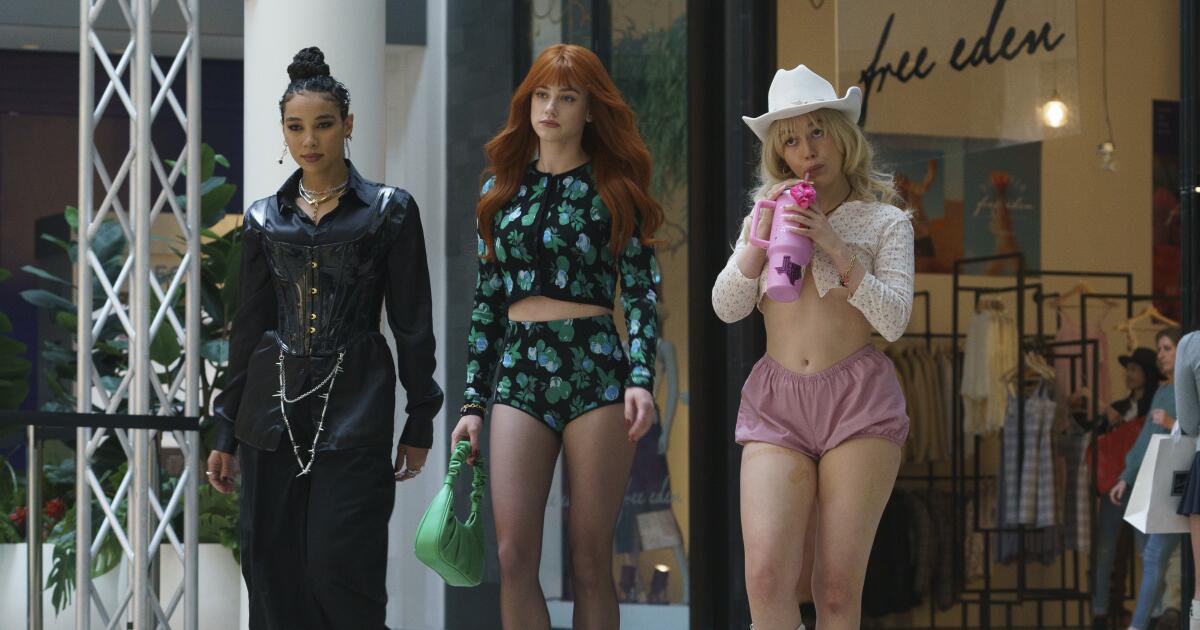
The film transports us to Free Eden, a high-end fashion and knick-knack store nestled within a suburban mall. Here, we meet the formidable trio: Apple (Lili Reinhart), Fig (Alexandra Shipp), and Cherry (Victoria Pedretti). These aren't just sales associates; they are arbiters of style, architects of desire, and masters of persuasion, expertly sharpening their personalities to carve out hefty profits for their company. Their names, a deliberate nod to biblical temptation, immediately hint at the deeper, more subversive themes at play. They move with an almost predatory grace, not just selling clothes but an aspiration, a carefully constructed illusion of belonging. It’s within this glossy, consumer-driven landscape that the true magic – and menace – of Forbidden Fruits begins to unfold. The mall, often dismissed as a temple of superficiality, is ingeniously repurposed as a crucible for dark desires and potent enchantments, transforming the mundane into the magical.
The Coven of Consumerism: Where Sales Meet Sorcery
The world of Free Eden operates on strict, almost ritualistic, routines. The girls meticulously curate their customers' insecurities, transforming them into lucrative sales figures. This satirical take on retail culture is sharp and incisive, painting a vivid picture of how consumerism can both empower and entrap. The dynamic shifts dramatically with the arrival of Pumpkin (Lola Tung), a new girl who, after a chance encounter with Fig, is swiftly drawn into the fold as the coven's fourth member. Pumpkin, with her mix of hopefulness and burgeoning curiosity, becomes our entry point into this alluring, yet unsettling, sisterhood.
Initially, Pumpkin is captivated by the camaraderie and confidence exuded by the Fruits. She observes their rigid routines, from their diets to their designated times for intimacy, sensing an unspoken power beneath their polished exteriors. It's not long, however, before her suspicions grow, pushing her to question if there's something far more supernatural at play. Her journey from eager initiate to skeptical observer forms the emotional backbone of the narrative, forcing viewers to ponder the true cost of belonging. The film masterfully blurs the lines between intense female friendship and something far more ancient and powerful. This exploration of the intense, sometimes perilous, bonds of female community is a core strength, showing how shared experience can lead to both profound connection and potential exploitation. To delve deeper into these themes, consider reading Forbidden Fruits: Sisterhood, Witches, and Mall Mayhem Explored.
Witchcraft, Sisterhood, and the Dark Side of Belonging
As Pumpkin descends further into their machinations, her suspicions are unequivocally confirmed: the Fruits are a coven of witches. Their activities, far from mere retail theatrics, coalesce into dark rituals – gathering elements for a cauldron and casting curses upon those who have wronged them or, more broadly, those who embody the patriarchal structures they rail against. This is where Forbidden Fruits truly comes into its own as a Lili Reinhart Shines in Forbidden Fruits: Sapphic Coven Thriller that is unafraid to explore the darker facets of female empowerment.
The film deftly navigates the complex terrain of community versus individual integrity. Pumpkin finds herself increasingly torn between the undeniable allure of the coven's protection and power, and her growing discomfort with their morally ambiguous actions. The "divine femininity" at play here is not gentle or nurturing; it's fierce, vengeful, and often brutal, challenging conventional notions of what female strength entails. The sapphic yearning, subtly woven into the fabric of their intense bonds, adds another layer of intimacy and vulnerability to their shared purpose. It’s a dynamic where deep relationships can lead to profound loyalty, but also to a potential for manipulation and exploitation, forcing Pumpkin to confront the imperfections of her newfound sisterhood. This nuanced portrayal elevates the film beyond a simple genre piece, inviting viewers to ponder the ethics of power and the seductive danger of absolute conviction. Alloway effectively uses the coven's magic not just for spectacle, but as a metaphor for the collective wrath of women pushed too far, highlighting how marginalized groups might turn to extreme measures to reclaim agency.
A Feast for the Senses: Visuals, Style, and Performance
One of the most striking aspects of Forbidden Fruits is its vibrant, maximalist aesthetic. Costume Designer Sarah Millman's work is nothing short of effervescent, dressing the Fruits in outfits that are equal parts sultry, prismatic, and commanding. The clothing isn't just an accessory; it feels like a living organism, its hues and textures reacting in real-time to the emotions and intentions of the characters wearing them. This visual language amplifies the film's "cosmic heft," transforming mundane mall corridors into stages for a grand, albeit depraved, feminist opera. The stylistic choices, including the aggressive camp and stylized visuals, reinforce the film's satirical edge, allowing it to delve into dark themes without losing its sense of theatricality.
Lili Reinhart delivers a standout performance as Apple, embodying the coven's leader with a captivating blend of charisma, menace, and underlying vulnerability. Her portrayal anchors the film, making her character's righteous anger both understandable and terrifying. Alexandra Shipp and Victoria Pedretti provide strong support, creating a trio that feels genuinely bonded yet distinctly individual. Lola Tung, as Pumpkin, skillfully portrays the innocent drawn into darkness, providing the audience with a relatable perspective on the coven's allure and terror. Director Meredith Alloway demonstrates a clear vision, transforming a seemingly contained narrative into something far grander and more provocative. The film rarely leaves the confines of the mall and its parking lot, yet it never feels small, thanks to its bold direction, powerful performances, and impeccable design.
Is Forbidden Fruits Your Next Obsession?
Forbidden Fruits is not for everyone. Its aggressively campy tone, explicit themes, and blend of glitz and gore might alienate some viewers. However, for those who appreciate cinema that is bold, unapologetic, and fiercely intelligent, this film offers a richly rewarding experience. It’s a depraved satirical thriller that manages to be both hilariously sharp-witted and profoundly thought-provoking, tackling themes of identity, community, consumerism, and female rage with a unique flair. It works perfectly as background viewing for a lively sleepover, but also reveals a deeper, more cosmically tragic narrative upon closer inspection. This Forbidden Fruits Review wholeheartedly recommends it to anyone seeking a fresh, incendiary take on the witch coven subgenre, especially fans of cult classics that dare to mix social commentary with supernatural thrills. It’s a kicky, stylized ride that leaves a lasting impression, proving that sometimes, the most forbidden fruits are also the most delicious.